It’s been four years since the Sauútiverse Collective was formed in March 2022. The project has grown tremendously, but how has it affected the work and lives of the Collective? Members Eugen Bacon (EB), Adelehin Ijasan (AI), Xan van Rooyen (XvR), Stephen Embleton (SE) and Cheryl S. Ntumy (CN) weigh in on the impact of being part of this Afrocentric shared world.
- How has being part of the Sauútiverse Collective affected your non-Sauúti writing?
EB: I feel a deeper cultural connection to my roots and appreciate the wealth of Afrocentric history, politics, tradition, food, language, spirituality and more. I’m also increasingly aware of the need for accessible text—rather than alienate, Afrocentric writing should be an invitation to others to visit our worlds. I am also increasingly publishing non-fiction articles on shared worlds, collaboration and finding community.
AI: Being part of the Sauútiverse has affected my writing positively overall. Writing for me was always a solo exercise but being in a group with writers whose opinions you respect does wonders for the quality of work you produce. I got to see stories workshopped in real time by professionals—not just my stories, but others as well and that honed my eye to what was good and what wasn’t which is an essential skill when triaging / editing one’s own work. This inevitably spills over into non-Sauúti writing as well. The community has been amazing, creatively stimulating and open. There is motivation there, and camaraderie and support that I wouldn’t have any other way.
XvR: It has made me aware of so many more elements of world-building I previously either never gave any thought to or was afraid of delving into. Learning from fellow collective members has empowered me by helping me develop my general world-building skills especially when it comes to tackling epic secondary world fantasy where understanding politics, economics, and history is essential for plausibility. I have also learned how to take inspiration from existing cultures and languages respectfully while always being mindful of what might be appropriation versus appreciation.
I am also less precious about ideas. Two people can write a story based on the same idea and still produce radically different stories. It has also been humbling to come up with an idea and then see someone else execute that idea far better than I could ever have.
SE: Definitely. I’ve learned about different ways of writing, different styles and approaches. But most of all it’s been the determination to keep at it, no matter the ups and downs of everyday life. It’s been a good reminder of all the things us writers go through, the self-doubts, the questioning if something is worth writing, or writing about, the rejections piling up (we all have them!) and the celebration of others and ourselves when something finds a home and a channel enthusiastic about your writing.
CN: It’s got me re-evaluating a lot of things. I never considered how human-centric my thinking was before, or how much I replicated real-world power structures in my stories. It’s made me more creative, for sure, and made me think more deeply about the wider impact of my stories beyond the satisfaction they give me.
- How has it affected your work outside of writing, i.e. your day job, if at all?
E.B: Haha. Not at all, I don’t think—other than a fortnightly commitment to be an integral participant in our Sauúti Collective meetings, where we share ideas, updates, and build excitement for newer projects.
AI: No, it hasn’t affected my day job. We meet up on weekends flexibly.
XvR: It has taught me many valuable lessons about collaboration and how you absolutely need to set the ego aside in order to grow in whatever field you are working in. We all have something unique to offer and valuable to contribute. It’s important to truly listen to what others have to say on a topic, to understand their unique perspective and lived experience.
SE: It stimulates my creativity on many levels – my illustration and art, design as well as my writing. Brainstorming, pitching and hearing works in progress are always an opportunity for creative stimulation. It gives me another way of viewing the world, ways of working and problem solving – and knowing that reaching out to someone, even an expert, or a network contact for information or collaboration is valuable for everyone. Writers tend to work in isolation, but knowing there are people out there is reassuring, for writing and other opportunities. Collaboration, in writing or other careers, is great.
CN: My day job is writing-related, so it’s definitely had an impact. Being around different types of people and perspectives has opened my eyes, and that has had a ripple effect. It’s also inspired me to invest more time in things that aren’t writing.
- Has it had any impact on your writing career, beyond the writing itself? Perhaps in terms of opportunities, connections, exposure, etc?
EB: I definitely feel very comfortable in my skin, but I don’t think I could attribute the impact on my perception of self and other to the Sauútiverse. This has been a layered growth and stronger sense of acceptance and ‘belonging’ as ‘I write myself in’—like Octavia Butler and Toni Morrison—and hero Black people stories, casting in my stories protagonists who look like me.
But being a founding member of the Sauúti Collective and finding immersion in Sauútiverse projects (our anthologies) has created a stronger sense of collaboration and has, definitely, expanded opportunities. I have connected with newer publishers, like Flame Tree, who is increasingly making space for our Sauútiverse and other Afrocentric works.
AI: There has been more exposure to my work, I believe. And I have been more aware of opportunities through the group that I wouldn’t otherwise have known about.
XvR: Oh absolutely! Being part of the collective has afforded me opportunities I might not otherwise have had, especially when it comes to finding out about anthologies and being considered as a contributor for anthology projects advertised by word of mouth. I have also been able to give Sauúti-related presentations at conferences I might otherwise have not been able to participate in. Additionally, it has also allowed me to discover some truly incredible writers and artists I previously had no idea existed, which in turn has allowed me to broaden my own artistic horizons and understanding of different perspectives and approaches in creative expression.
SE: Having many of us tapped into various platforms, publishers and the writing community means a question about submissions, who’s open, rates etc. gives quick supportive and encouraging responses. Networking is essential. You can recommend people you know and trust for events, give tips on what a certain publisher is looking for at the moment, and any opportunities coming up. Sauúti has given many opportunities to speak about my areas of interest (writing and illustrating) and pushed my illustrating to the extent that it opened me up to more illustrating opportunities outside the Collective.
CN: Definitely. Almost every opportunity I’ve had in the last few years is a direct result of joining the Collective. I knew nothing about the international publishing industry before; I’ve learned so much from the other members, and been exposed to a lot of things I’d probably never have encountered otherwise.
- What about other areas of your life? Has the Sauútiverse itself, or perhaps the collaborative, communal ownership model, had any impact on the way you think about or approach things?
EB: No different from before—I have always been open to collaborating with others and already have a number of existing shared works, including my World Fantasy Award finalist story ‘The Failing Name’, with Seb Doubinsky, and the multi-award-winning Afro-Centered Futurisms in Our Speculative Fiction. Writing stories set in the Sauútiverse and being a member of the Sauúti Collective is an extension of an already existing writerly practice I embrace.
AI: Of course! There is great value in communal ownership. We are stronger when we collaborate and we can pull each other up when needed. But I’m also aware that what we have in the Sauútiverse is a rarity. Ten people whose egos sort of fit compatibly without serious conflict while wielding a gigantic universe with many moving parts! I am proud of it and hope our partnership continues to survive its failures and many successes.
XvR: While I have never been more disgusted by the use of generative AI for creative expression, I do find myself feeling less miserly with ideas. While it is absolutely vital to protect intellectual property rights and keep your artwork away from thieving AI companies, working with a collective and with new contributors has made me more open to sharing ideas in an environment where there is mutual respect for creativity and a culture of reciprocity when it comes to sharing those ideas and entering into creative discussion building on each other’s ideas. This is how we have managed to create such a rich and dynamic world and it is a practice I aim to apply in all aspects of my life. Growth cannot happen in a vacuum.
SE: We all live different lives and it’s been a reminder that networks, communities and colleagues, friends, are important in supporting us, checking in or giving a tip or much needed feedback. This community has made me realise these models (collaboration) are beneficial in many areas, not just writing. And working with a common intention has a unifying effect, not in the worldbuilding alone, but in how we view a truly shared collaboration. It’s how I view most things in life – how can we help many rather than only benefit the minority.
CN: Yes! I’ve done a little collaborative worldbuilding before but not at this level, and not with a model like this one. I’m kind of obsessed with it now. I combine it with my other creative projects and other things I’m interested in, like community-building and spirituality.
- Tell us about any work you’ve released this year, or work soon to be released. What can we expect and where can we find it? After that, what’s next for you?
EB: In 2026, I have four publications, two from the Sauútiverse:
- Sauúti Terrors, a cross-genre Sauútiverse anthology (edited by Eugen Bacon, Cheryl S. Ntumy and Stephen Embleton) featuring cautionary tales that tackle themes of climatic action, wretched leadership, racism, social injustice, and more.
- Crimson in Quietus: A Sauútiverse Novel, an inaugural novel set in the shared world—a new kind of speculative literary mystery where the investigator is not a detective, but a sound scientist.
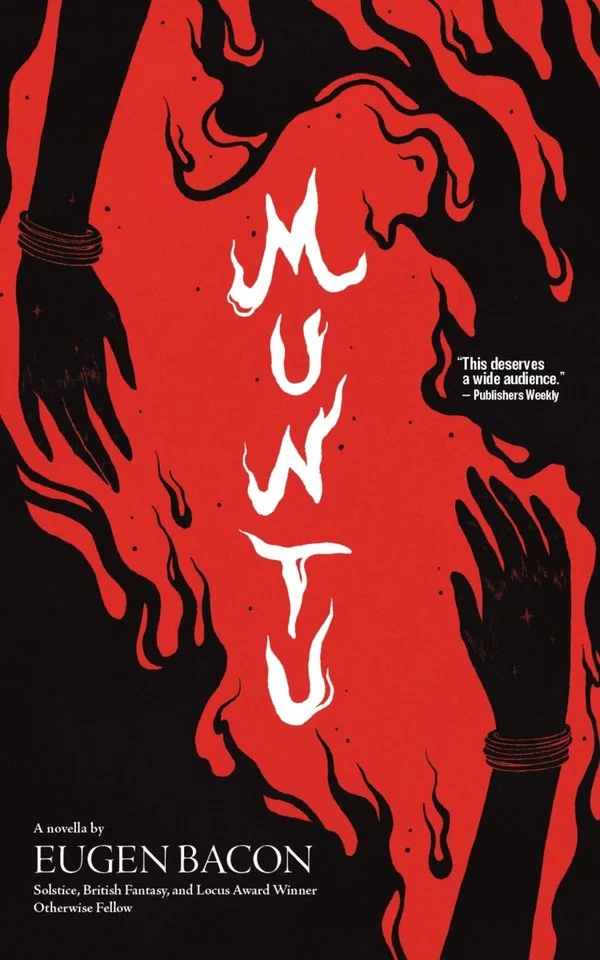
- Muntu, a literary dark fantasy novella that combines a contemporary thriller with darker, older traditions, blending myth, heritage and self-discovery.
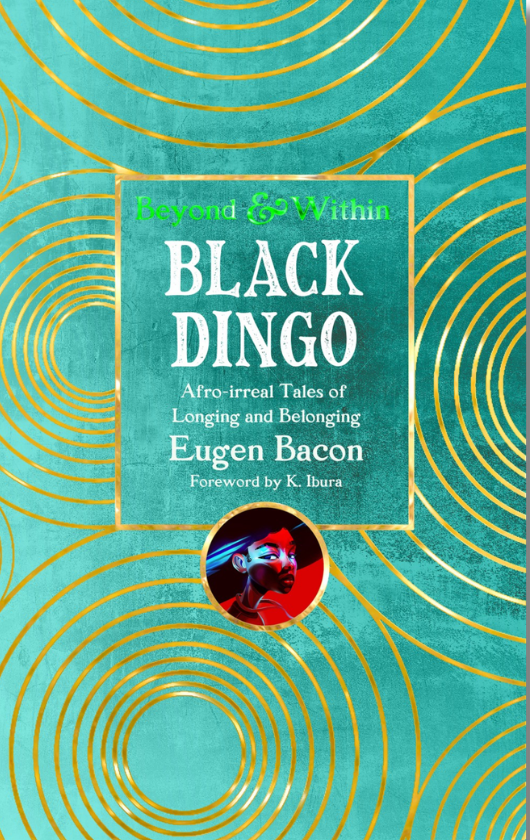
- Black Dingo, a collection of Afro-irreal short stories that Embrace my hybridity as an African Australian who is ‘betwixt’, ‘a sum of parts’.
You can find more of my works at eugenbacon.com
AI: For my published and soon to be released publications:
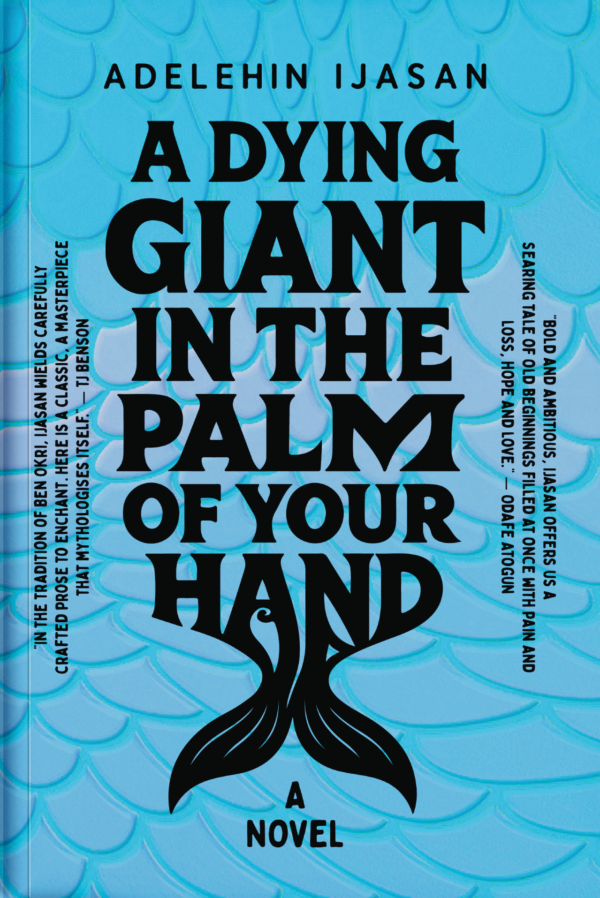
A Dying Giant in the Palm of your Hand. A story of a ten year old boy in an oil ravaged Niger delta town who must protect a captured merman and a forest god. It is a tale of redemption in the midst of ecological catastrophe in a town where myth and reality are indistinguishable. Published Feb 2026.
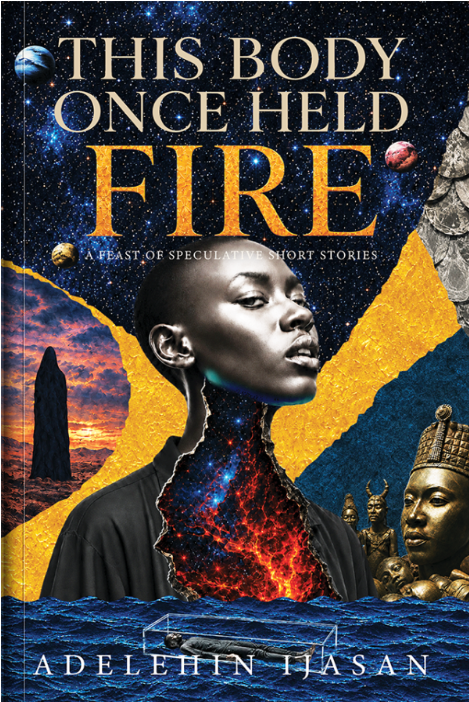
This Body Once Held Fire. A collection of science fiction and fantasy short stories drawing on Nigerian mythology, culture and contemporary life. Out in April 2027.
A Sauútiverse novel for 2028 release.
A Ravening Hunger & Other Stories. A collection of otherworldly tales planned for 2029.
Subscribe to my once-in-a-red-moon newsletter at www.adeijasan.com to be the first to know when these come out in 2027, 2028 and 2029!
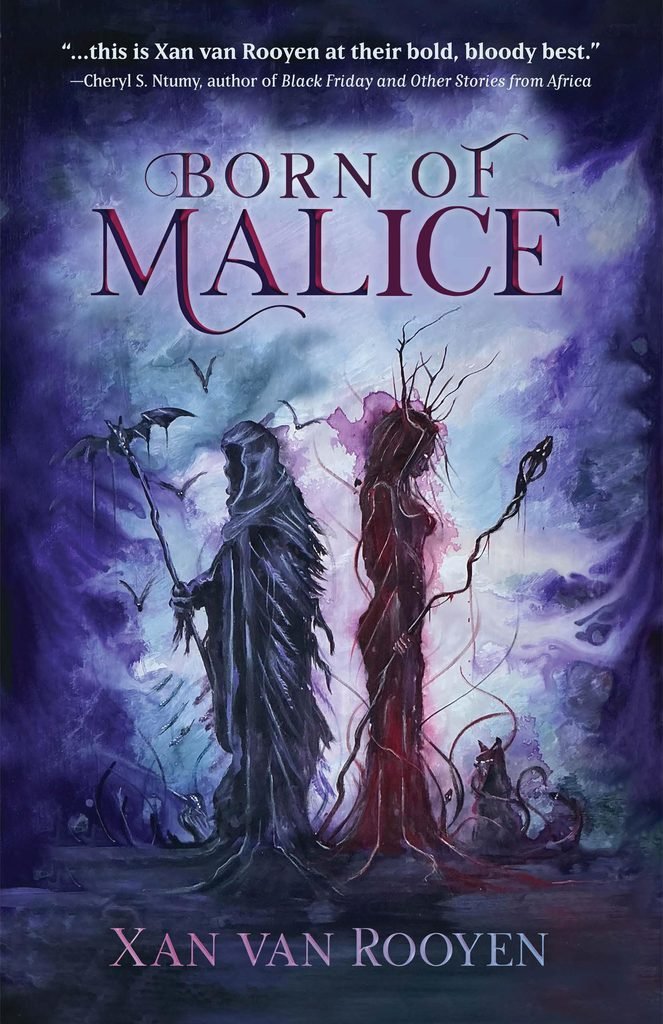
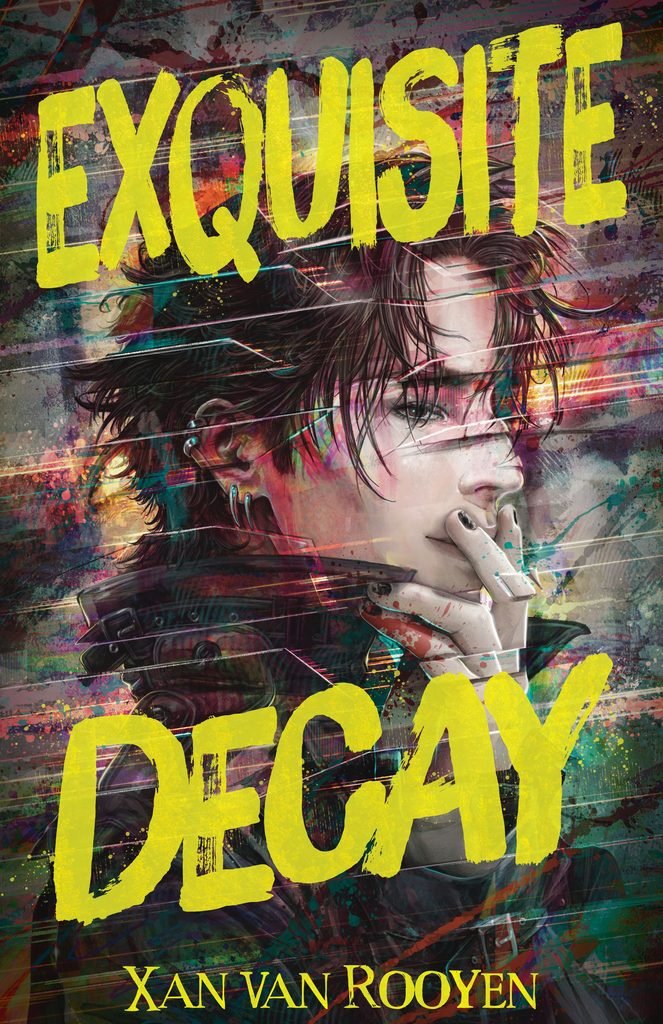
XvR: I don’t have any Sauúti-specific works coming out this year but I do have an Afrocentric dark fantasy novel called Born of Malice out in October. This is a book I never would’ve written had I not felt empowered by everything I’d learned from my experiences with the Sauúti collective. It’s currently available for pre-order wherever you buy books and ARCs are available from Netgalley and Edelweiss. In December, I have a new YA novel coming out which is a dark academia/cyberpunk retelling of Dorian Gray. Writing in the Sauútiverse where we routinely mash-up scifi and fantasy and blends all those various subgenres together has made me a bolder writer, and were it not for the experience of writing those genre-blended Sauúti stories, I might not have felt confident enough to tackle this retelling.
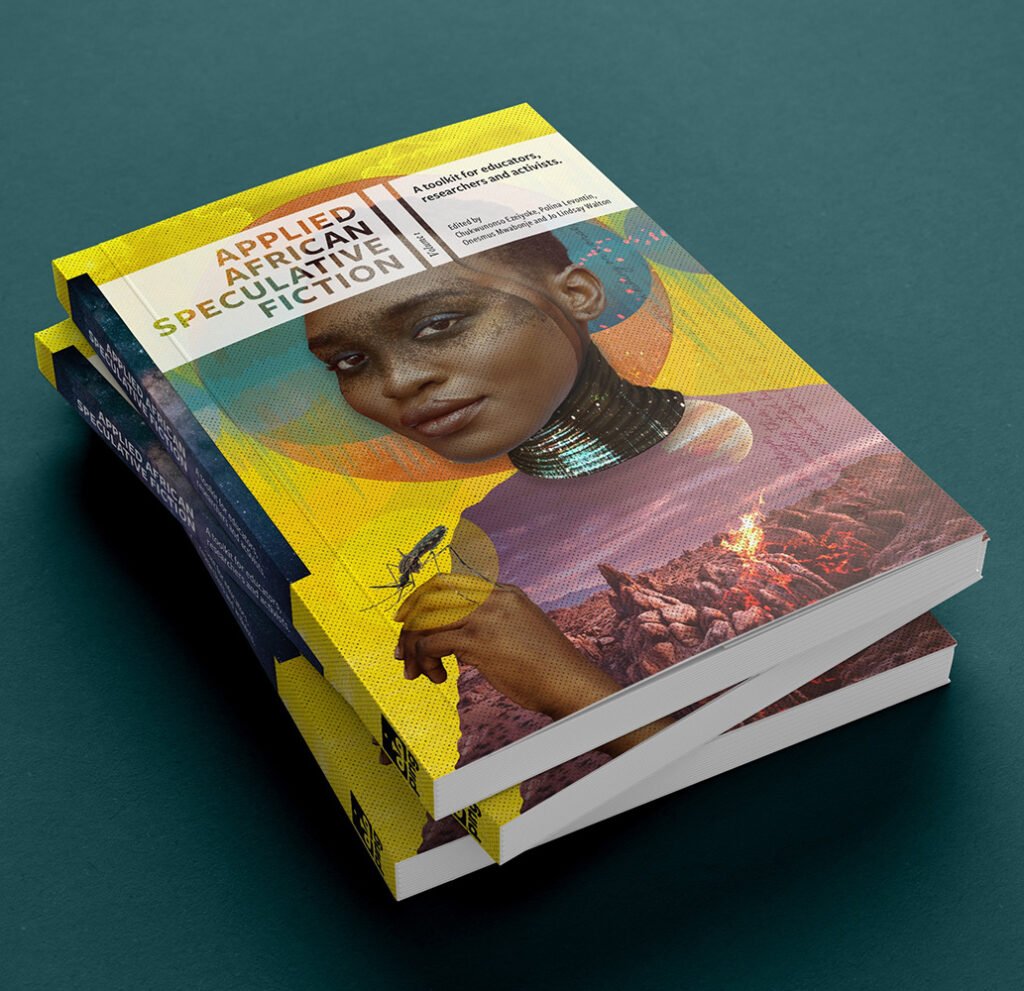
SE: I recently completed my third novel, but, in publishing, it is a slow process. Sauúti works are always in progress! Sauúti Horror releases next year, 2027. I have a number of Sauúti-based folktales in the works and expanding. One Sauúti short story collaboration, ‘A Lever is a Complex Machine’, was formally launched (August) through the Applied African Speculative Fiction project through Imperial College in London. It is available to read online and is also available in print.
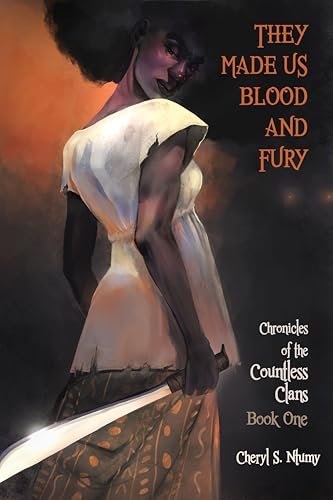
CN: My novel They Made Us Blood and Fury (Rosarium Publishing) is out now. It’s the first in the Chronicles of the Countless Clans, an Afro-fantasy trilogy. For less blood and more bodice-ripping, the first novel in my Seven States African romantasy trilogy will be out in May 2027 (Ankara Press). It’s called A Guide to Silk & Sedition.
- In what ways do you want to see the Sauútiverse expand? What would you like its legacy to be?
EB: I would love to see film adaptations of Sauútiverse stories.
AI: I’m excited for the future of the Sauútiverse. I want to see it grow uncontained: more writers, more stories, longer form works, movies. I want its legacy to be that it provided a viable and enduring platform for African writers of speculative fiction at a level beyond our humble imaginings.
XvR: Like our own expanding universe, I want to see our Sauútiverse grow and develop. I want to see what fresh and challenging ideas new contributors bring to our world and for previously unexplored facets of the universe to be explored through multimedia including stories, poems, art, and more. I would love to see Sauúti graphic novels or even children’s picture books for example, and I especially want to hear music composed specifically for the Sauútiverse. Imagine a suite like Holst’s Planets, but for the Sauútiverse! I’d love to see full albums of Sauúti songs or even Sauúti techno in the style of Orino-rin DJs! Additionally, I would love to personally edit a Sauúti YA anthology to help reach younger readers and perhaps invite some younger/teen writers to contribute to this world as well.
SE: I would like more writers to come to the world (as they have been) to add to the world, and infuse it with even more lush, Afrocentric ideas, mythology and stories. And more ART! The Sauútiverse legacy is, and will be, its staying power, continuing to thrive with fresh ideas, and as a platform for African creators.
CN: I’m excited to see how it grows as more people come in. I’d love to see it move beyond writing, into music, fashion, visual arts, theatre, architecture and design.
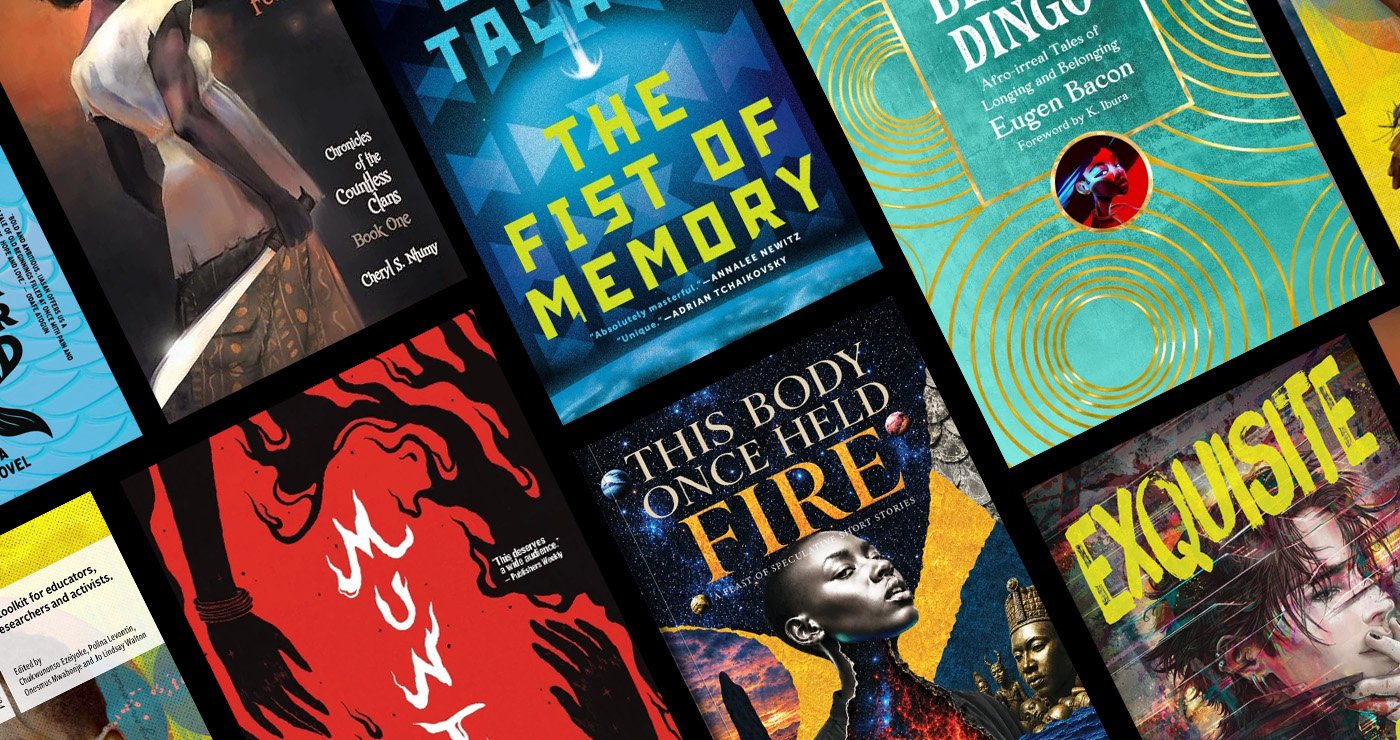
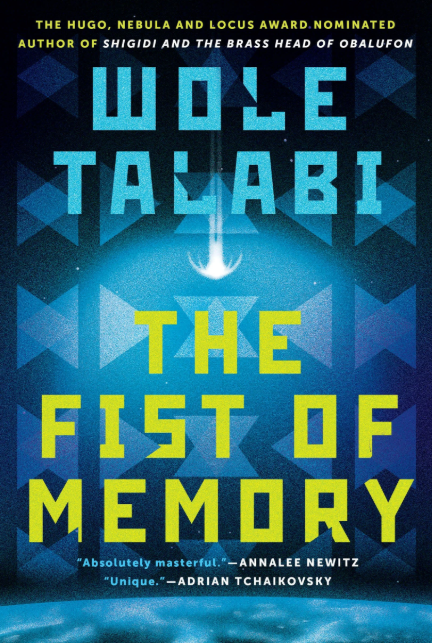
Other recent non-Sauútiverse works from the Collective include Wole Talabi’s sci-fi novel The Fist of Memory, published by Gollancz, Dare Segun Falowo’s queer Cinderella retelling ‘Sindi Fair’ in the anthology ZamaShort Volume 1, edited by Ivor W. Hartmann with a foreword by Eugen Bacon, and J. Umeh’s non-fiction work, which you can read at https://judeumeh.com/ or https://judeumeh.wordpress.com.